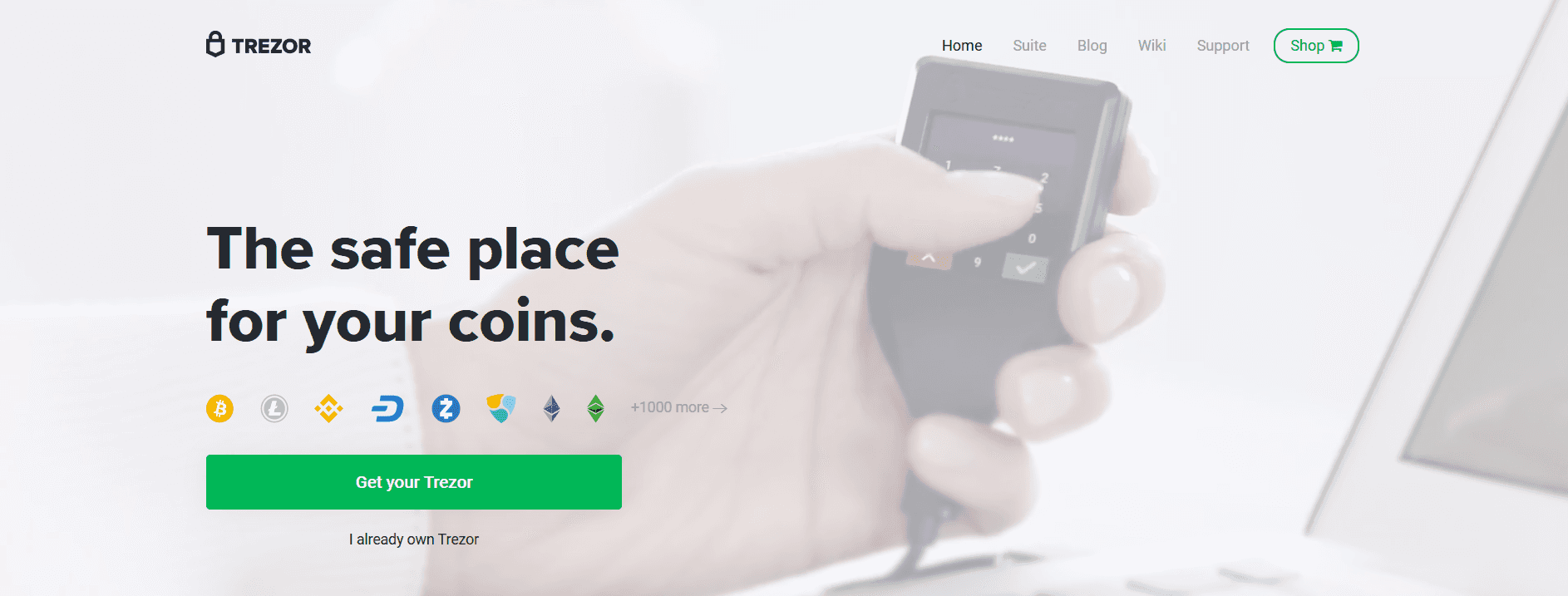
Trezor.io/start – A Complete Guide to Secure Cryptocurrency Storage
Cryptocurrency security is essential for anyone looking to protect their digital assets. Trezor is a leading hardware wallet that stores private keys offline, providing unmatched security against hacks, phishing attacks, and malware. The first step to using Trezor safely is starting at Trezor.io/start, the official platform to set up, initialize, and manage your wallet.
This guide will explore Trezor.io/start, including setup instructions, security features, usage tips, and best practices for keeping your cryptocurrency safe.
What is Trezor?
Trezor is a hardware wallet designed to store cryptocurrencies offline. Unlike software wallets, Trezor keeps private keys isolated from the internet, preventing unauthorized access and digital theft.
Key Features of Trezor
Supports multiple cryptocurrencies: Bitcoin, Ethereum, Litecoin, and hundreds more.
Offline key storage: Private keys never leave the device.
User-friendly interface: Easy to navigate for beginners and advanced users.
Recovery options: Secure seed phrase allows wallet restoration.
Integration with wallets and exchanges: Works with platforms like MetaMask and others.
Trezor devices include Trezor One and Trezor Model T, catering to different security and functionality needs.
Why Trezor.io/start Matters
Trezor.io/start is the official entry point for securely setting up your Trezor wallet. Starting here ensures that you download authentic software and follow verified setup procedures, avoiding phishing scams or fake websites.
The portal provides:
Step-by-step setup instructions
Firmware updates to keep the device secure
Guidance on creating and backing up a recovery seed
Access to wallet management and supported cryptocurrencies
Starting at Trezor.io/start guarantees a secure foundation for your crypto journey.
Step-by-Step Guide to Setting Up Trezor
Step 1: Visit the Official Website
Open your browser and go to Trezor.io/start.
Verify the URL to ensure it is authentic and secure.
Step 2: Connect Your Device
Plug your Trezor into your computer via the USB cable.
The website will detect your device and guide you through setup.
Step 3: Install Trezor Bridge
Trezor Bridge allows your computer to communicate with the hardware wallet.
Download and install it as instructed on the site.
Step 4: Initialize Your Wallet
Choose to create a new wallet or recover an existing wallet using a seed phrase.
Set a PIN code for device security.
Step 5: Backup Your Recovery Seed
Your device will generate a recovery seed (12, 18, or 24 words).
Write it down offline and store it securely. This is your only method to restore access if the device is lost.
Security Features of Trezor
Trezor is designed to provide industry-leading security for cryptocurrencies:
Offline private key storage: Keys never leave the device, preventing online attacks.
PIN protection: Prevents unauthorized access to the device.
Optional passphrase: Adds a secondary security layer.
Recovery seed phrase: Restores access if the device is lost or stolen.
Firmware verification: Ensures the device runs authentic software.
These features make Trezor one of the safest ways to store crypto.
Using Trezor to Manage Cryptocurrency
After setup, Trezor allows you to manage and transact crypto securely.
Receiving Crypto
Generate a wallet address for each supported cryptocurrency.
Share the address with senders to receive funds.
Sending Crypto
Select the currency to send.
Enter the recipient’s address and amount.
Confirm the transaction on the Trezor device for security.
Integration with Other Wallets
Trezor works with MetaMask and other wallets for enhanced functionality.
Supports DeFi protocols, NFT management, and token swaps.
Troubleshooting Common Issues
Even secure devices can encounter minor issues. Common problems include:
Device not detected: Ensure Trezor Bridge is installed and USB connection is secure.
Forgotten PIN: Restore wallet using the recovery seed.
Firmware update failed: Reboot the device and try again.
Lost recovery seed: Cannot restore without the seed; it must be stored safely offline.
Following instructions from Trezor.io/start prevents most setup and operational issues.
Best Practices for Trezor Users
To maximize security and ensure smooth usage:
Always start at Trezor.io/start to avoid phishing sites.
Store the recovery seed offline in a secure location.
Set a strong PIN code.
Verify firmware updates from official sources.
Avoid sharing your device or seed phrase.
Regularly monitor and manage your cryptocurrency holdings.
Who Should Use Trezor
Trezor is ideal for:
Crypto investors seeking maximum security for long-term storage.
NFT collectors managing valuable digital assets.
DeFi users integrating hardware wallets with applications like MetaMask.
Beginners who want a guided, secure setup experience.
Advanced users needing multi-currency support and high-level security.
Its combination of security, reliability, and ease-of-use makes Trezor suitable for users of all levels.
Conclusion
Trezor.io/start is your official gateway to setting up a secure cryptocurrency wallet. Using this portal ensures authentic firmware, step-by-step setup, and a strong security foundation.
Trezor’s offline key storage, PIN protection, optional passphrase, and recovery seed backup make it one of the safest options for managing digital assets. By starting at Trezor.io/start and following security best practices, you can safely store, manage, and transact cryptocurrency with confidence, whether you are a beginner or an experienced investor.